
Final Sterile Filtration – Introduction to PUPSIT
Background
Pre-Use Post-Sterilization Integrity Testing or “PUPSIT” continues to be a topic of debate in the biopharmaceutical industry. Since 1998, the European Union Guidelines to Good Manufacturing Practices, Annex 1 has contained requirements for verifying sterilizing-grade filter integrity before use. Annex 1 revisions from 2008 and 2022 have increased pre-use testing granularity with the current version requiring pre-use testing post sterilization in most cases.
PUPSIT
PUPSIT was developed as a way to reverify filter performance after exposure to filter manufacturing, sterilization, transportation, and installation, to reduce process risk and potential product sterility concerns. Though exceedingly uncommon, PUPSIT helps address filter flaw masking, a phenomenon where a defect develops post-manufacturing and becomes clogged during use that may then result in a passing post-use integrity test.
While PUPSIT may highlight if a filter may not be feasible for use up front, PUPSIT systems are often complex and may increase risk from a process and operating perspective. Risks may include additional operator involvement of opening and closing valves and sterility breach concerns from additional componentry downstream of the sterilizing filter. Drug manufacturers must conduct thorough risk assessments to weigh the risks and benefits of implementing PUPSIT.
Meissner’s Design Space
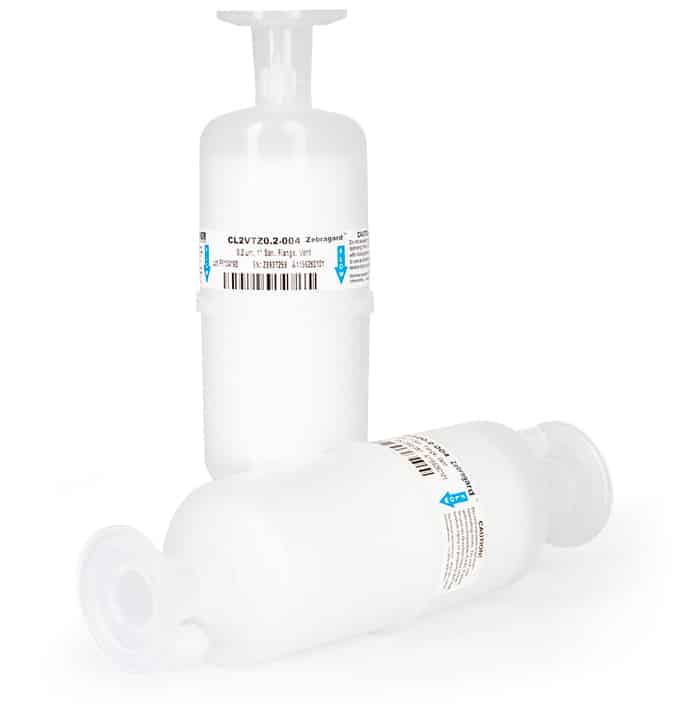
Meissner’s Design Space features a wide selection of componentry for fully customizable PUPSIT systems. Meissner’s new Zebragard™ barrier filter offers passage of liquids and gases through a single component for a simple, yet robust, approach to PUPSIT system wetting/drying. Meissner’s Single-Use Gauge Tee (SGT) allows non-invasive pressure monitoring, which eliminates cross contamination concerns. Additional componentry may include hydrophobic vent filters, sterilizing-grade liquid filters, TepoFlex® biocontainers for product sampling and filter venting, M-Sil™ braid reinforced tubing, and UltraClamp™ sanitary clamps.
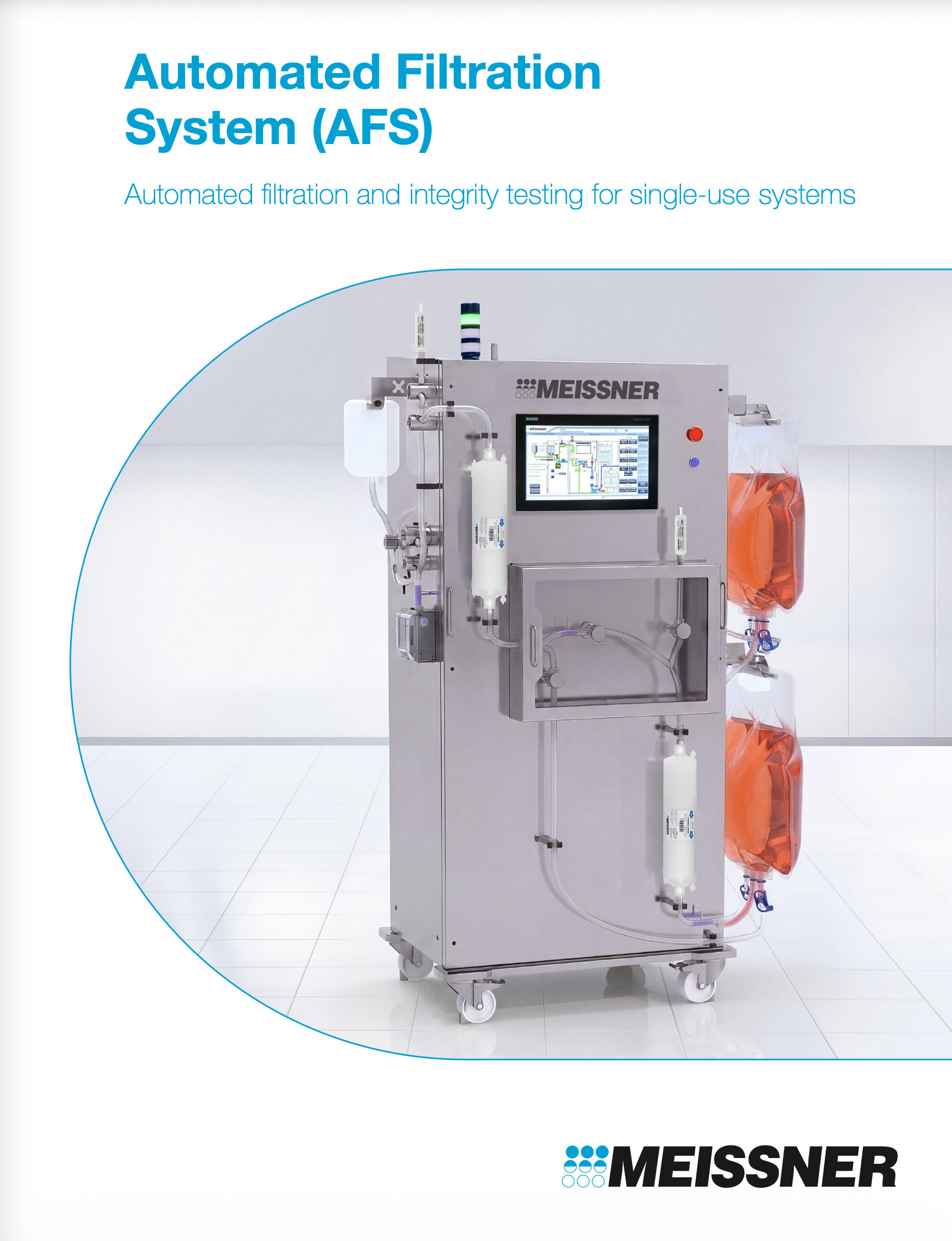
Meissner offers the Automated Filtration System (AFS), which allows for the automation of PUPSIT. Built with automated pinch valves, electronic batch record generation, and rapid integrity testing powered by Meissner’s AccuFlux® filter integrity tester, the AFS strengthens your contamination control strategy, shortens operation time, and minimizes operator intervention. Designed to integrate seamlessly with Meissner’s Single-Use systems, the AFS is fully configurable to meet your specific process requirements.
To experience Meissner’s design space, toggle through some of the common PUPSIT process steps below. Please note that this is an example of a redundant filtration PUPSIT process. Components and process steps may vary by application.
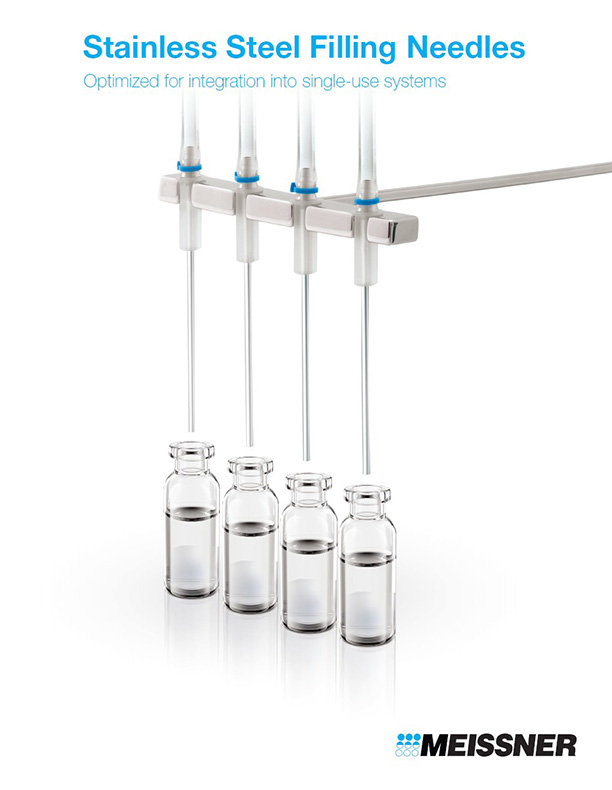
Meissner’s Applications Engerineering Team can provide guidance and optimization for final fill and finish applications and can highlight the advantages of our completely single use filling needles.
Automated Filtration System (AFS)
Zebragard™ Filter Brochures

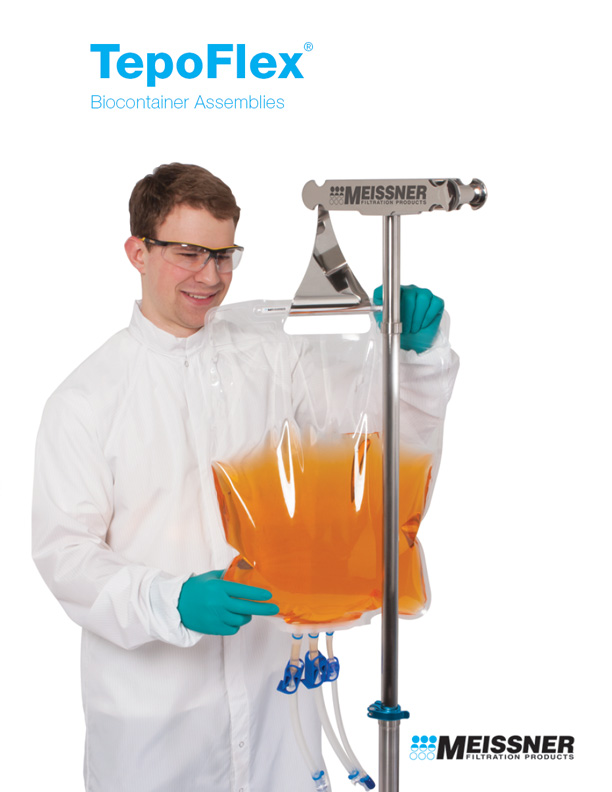
TepoFlex® Biocontainers Brochure

SGT Brochure

M-Sil™ Brochure

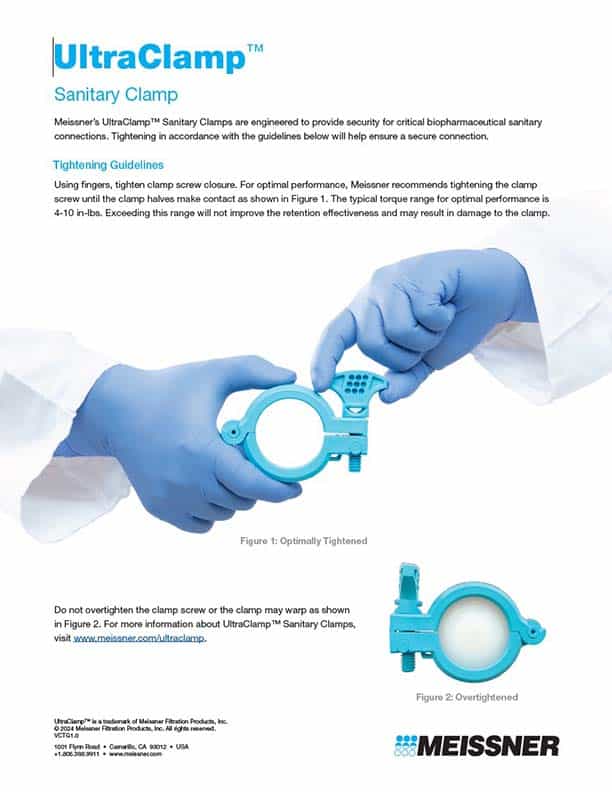
UltraClamp™ Brochure

Single-Use Filling Needles Brochure




Frequently Asked Questions
What does PUPSIT mean and why does it matter?
PUPSIT (pre-use, post-sterilization integrity testing) is part of a manufacturer’s contamination control strategy (CCS) that helps ensure the sterility of aseptically filled drug products. It determines the integrity of a sterilizing-grade filter and its full assembly, including housing, support structure, and connections, after installation and sterilization but before the filter is used to process product.
What is the purpose behind performing PUPSIT?
PUPSIT is performed to confirm that a filter has not been damaged during shipping, handling, installation, or sterilization before it is put into use. A damaged filter that goes undetected could allow a non-sterile product through, which can compromise drug product safety.
What does the PUPSIT testing process involve?
PUPSIT uses filter integrity tests, such as those performed with the AccuFlux® Filter Integrity Tester, to verify that a sterilizing-grade filter has remained intact after sterilization and before product filtration. These tests include bubble point, forward flow, pressure hold, and, for air/gas filters, water intrusion testing.
Which specific tests fall under PUPSIT?
A bubble point test measures the minimum pressure required to force gas through a wetted membrane. A forward flow test measures gas flow across a wetted membrane at a set pressure. A pressure hold test checks whether a system maintains a set pressure over time, indicating the absence of leaks. Water intrusion testing is used on hydrophobic air/gas filters to check resistance to water entering the pores under pressure. These methods are specifically referenced as acceptable integrity tests under Annex 1 guidelines.
Do all filters need to undergo PUPSIT?
PUPSIT is required for all sterilizing-grade filters used in aseptic processing, especially the final sterilizing-grade filters used before filling or direct product contact. These filters typically have a pore size of 0.2/0.22 µm.
Can PUPSIT be carried out manually or with automation?
Yes, both manual and automated PUPSIT solutions are available, designed to control the risk of improper installation and reduce implementation time without adding significant risk. Manual single-use systems support manufacturers in meeting Annex 1 guidelines for critical downstream applications such as formulation and filling. Automated solutions, such as the Automated Filtration System (AFS) PUPSIT Skid, can accommodate a variety of molecules and concentrations, delivering simple operation and process consistency across runs.
Learn How Meissner Can Help You Implement PUPSIT
Meissner is committed to the manufacture of robust solutions within a comprehensive design space in line with regulatory requirements. Meissner follows a risk-based, quality-by-design approach to the design of final filtration systems and the implementation of PUPSIT.